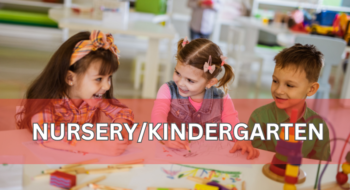
A nursery class, often referred to as preschool or kindergarten, is an educational environment designed for young children typically between the ages of 2 and 5 years old. It serves as a foundation for their formal education and focuses on early childhood development, socialization, and fostering a love for learning. Here are some key aspects […]
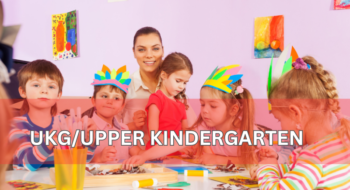
Class UKG, also known as Upper Kindergarten, is an important grade level in the early education system in many countries. It typically caters to children who are around four to five years old. The curriculum in UKG focuses on building a strong foundation for various developmental areas, including: Language Development: Introducing students to the basics […]
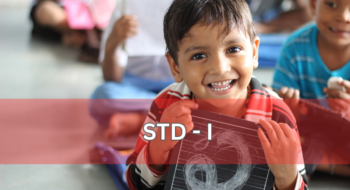
Class I education in schools typically refers to the first grade of primary education, where students are usually around 6 to 7 years old. It is an essential foundational year for young learners as they transition from kindergarten to more structured learning environments. In Class I, students are introduced to a variety of subjects, including: […]
Class II typically refers to the second grade in the primary education system. It is a critical stage in a student’s academic journey, where they build upon the foundational skills learned in the earlier grades. In Class II, students usually range from 7 to 8 years old. The curriculum in Class II is designed to […]
Class III education in school typically refers to the educational curriculum and activities designed for students in the third grade or around 8-9 years old. The specifics of the curriculum may vary from one country or educational system to another, but some common subjects and areas of focus for Class III students include: Language Arts: […]
Class IV education typically refers to the educational level or grade level of students who are around 9 to 10 years old. The exact age may vary depending on the country’s educational system and the child’s date of birth. In Class IV, students usually study a variety of subjects, which may include: Language Arts: Reading, […]
Class V education typically refers to the educational curriculum and learning activities provided to students in the fifth grade or Year 5 of their schooling. At this level, students are usually around 10 to 11 years old, and the curriculum focuses on building a strong foundation in various subjects. The specific subjects taught in Class […]
Class VI typically refers to the sixth grade in the educational system. At this level, students are usually around 11 to 12 years old. The curriculum may vary depending on the country and educational system, but generally, students in Class VI cover a wide range of subjects. Here are some common subjects that students might […]
Class VII education typically refers to the educational curriculum and learning standards provided to students in the 7th grade or Year 7. The specific content and subjects covered may vary depending on the country and educational system, but in general, students in Class VII are exposed to a more advanced and comprehensive level of education […]

Class VIII education typically refers to the education provided to students in the eighth grade or year of schooling. In many educational systems, it is a crucial stage where students build on the foundational knowledge gained in earlier grades and prepare for more advanced subjects in high school. The curriculum in Class VIII usually covers […]

Class IX education in India typically corresponds to the ninth grade or year of schooling. At this level, students are usually around 14-15 years old. The educational system in India is divided into different boards, with the Central Board of Secondary Education (CBSE) and the Indian Certificate of Secondary Education (ICSE) being two of the […]

Certainly! Class 10 education is an essential stage in many education systems worldwide, typically corresponding to the tenth year of formal schooling. This level of education is often considered a crucial milestone in a student’s academic journey. Here are some key points about class 10 education: Age Group: In most countries, students in class 10 […]
A nursery class, often referred to as preschool or kindergarten, is an educational environment designed for young children typically between the ages of 2 and 5 years old. It serves as a foundation for their formal education and focuses on early childhood development, socialization, and fostering a love for learning. Here are some key aspects […]
Class UKG, also known as Upper Kindergarten, is an important grade level in the early education system in many countries. It typically caters to children who are around four to five years old. The curriculum in UKG focuses on building a strong foundation for various developmental areas, including: Language Development: Introducing students to the basics […]
Class I education in schools typically refers to the first grade of primary education, where students are usually around 6 to 7 years old. It is an essential foundational year for young learners as they transition from kindergarten to more structured learning environments. In Class I, students are introduced to a variety of subjects, including: […]
Class II typically refers to the second grade in the primary education system. It is a critical stage in a student’s academic journey, where they build upon the foundational skills learned in the earlier grades. In Class II, students usually range from 7 to 8 years old. The curriculum in Class II is designed to […]
Class III education in school typically refers to the educational curriculum and activities designed for students in the third grade or around 8-9 years old. The specifics of the curriculum may vary from one country or educational system to another, but some common subjects and areas of focus for Class III students include: Language Arts: […]
Class IV education typically refers to the educational level or grade level of students who are around 9 to 10 years old. The exact age may vary depending on the country’s educational system and the child’s date of birth. In Class IV, students usually study a variety of subjects, which may include: Language Arts: Reading, […]
Class V education typically refers to the educational curriculum and learning activities provided to students in the fifth grade or Year 5 of their schooling. At this level, students are usually around 10 to 11 years old, and the curriculum focuses on building a strong foundation in various subjects. The specific subjects taught in Class […]
Class VI typically refers to the sixth grade in the educational system. At this level, students are usually around 11 to 12 years old. The curriculum may vary depending on the country and educational system, but generally, students in Class VI cover a wide range of subjects. Here are some common subjects that students might […]
Class VII education typically refers to the educational curriculum and learning standards provided to students in the 7th grade or Year 7. The specific content and subjects covered may vary depending on the country and educational system, but in general, students in Class VII are exposed to a more advanced and comprehensive level of education […]
Class VIII education typically refers to the education provided to students in the eighth grade or year of schooling. In many educational systems, it is a crucial stage where students build on the foundational knowledge gained in earlier grades and prepare for more advanced subjects in high school. The curriculum in Class VIII usually covers […]
Class IX education in India typically corresponds to the ninth grade or year of schooling. At this level, students are usually around 14-15 years old. The educational system in India is divided into different boards, with the Central Board of Secondary Education (CBSE) and the Indian Certificate of Secondary Education (ICSE) being two of the […]
Certainly! Class 10 education is an essential stage in many education systems worldwide, typically corresponding to the tenth year of formal schooling. This level of education is often considered a crucial milestone in a student’s academic journey. Here are some key points about class 10 education: Age Group: In most countries, students in class 10 […]